
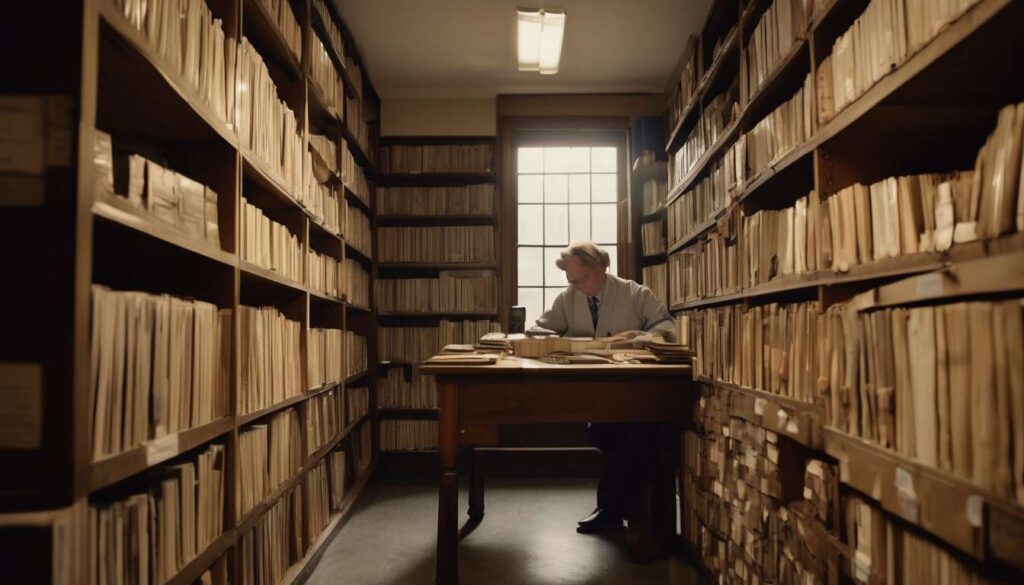
Richard can silence a room: what responsibilities do we assume when cataloguing material many wish to ignore?
Archivists, historians, and citizens must decide whether preserving adult film media belongs in cultural memory or should remain private/commercial.
- This decision shapes institutional collecting policies and public access.
- It affects which voices and practices enter the historical record.
These materials illuminate key social changes.
- Censorship: shifts in what authorities allow or ban.
- Technology: formats, distribution methods, and preservation challenges.
- Sexual norms: changing attitudes toward sex, gender, and desire.
- Labor practices: working conditions, organization, and economics of performers and crews.
- Legal battles: litigation and regulation that redefined industry boundaries.
Cataloguing adult media raises ethical complexities that must be addressed.
- Consent: verifying that performers agreed to use and long-term preservation of footage.
- Privacy: protecting identities and personal information when disclosure could cause harm.
- Exploitation: avoiding amplification of materials produced under coercive or abusive conditions.
The goal is stewardship, not titillation.
- Document production practices, distribution networks, and audience reception to create a comprehensive record.
- Prioritize contextual metadata, provenance, and interpretive materials so scholars and the public can understand provenance and significance.
Interrogating institutional priorities and community standards is essential.
- Assess collection mandates and risk frameworks.
- Develop access policies balancing research value and potential harm.
- Engage stakeholders (performers, scholars, legal experts, and communities) in policy formation.
Why these archives matter.
- They provide evidence for scholarly research, informed policymaking, and more honest cultural histories.
- Responsible preservation can reveal social dynamics otherwise omitted from mainstream narratives.
Defining Scope and Value
Scope and purpose: define what the archive preserves and why it matters.
- We will preserve films, promotional materials, production notes, interviews, and related ephemera that capture the cultural context of adult movies.
- Why these materials matter: they document social attitudes, production practices, artistic expression, and communities often excluded from mainstream cultural histories.
Preservation priorities: balance historical integrity with responsible stewardship.
- Prioritize materials that offer high cultural, historical, or research value.
- Document provenance and technical formats to ensure long‑term accessibility and study.
Consent, rights, and legal frameworks: place rights at the center.
- Record permissions and respect performers’ wishes regarding retention and access.
- Ensure legal compliance governs retention, use, and any dissemination of materials.
Access policy: foster inclusion while protecting privacy and obligations.
- Design tiered access and restriction levels to serve researchers, educators, and community members with legitimate needs.
- Use restrictions to protect privacy, safety, and legal obligations while enabling scholarly work.
Intake process and contributor support: be transparent and responsive.
- Create clear intake criteria and documented appeal pathways so contributors understand decisions and feel safe.
- Provide transparent communication about what is accepted, how it will be used, and how consent is managed.
Community focus and scholarly value: build a trusted resource for marginalized communities.
- Aim to create a resource where people who’ve been marginalized can find belonging, acknowledgement, and tools for study.
- Support research and education that illuminate the social and artistic significance of adult film heritage.
Ethical Stewardship Practices
Ethical stewardship guides every decision. We balance respect for performers’ autonomy, community well‑being, and scholarly access. We center archival preservation within a framework that honors dignity and shared history, ensuring materials are cataloged, described, and stored with transparency. We acknowledge power dynamics and prioritize practices that reduce harm while preserving cultural memory.
Clear, readable policies on consent and rights. We establish policies that inform intake, retention, and use. These policies are:
- co‑created when possible so contributors feel seen and protected,
- written to be searchable and understandable,
- designed to make rights and responsibilities transparent to all stakeholders.
Equitable access and contextualized restrictions. We design access and restrictions to be fair and responsive:
- Tiered access levels that reflect consent and sensitivity.
- Contextualizing metadata to give researchers necessary background and to respect community narratives.
- Responsive review processes that let communities and rights‑holders retain agency over how materials are used.
Ongoing accountability through audits, consultation, and training. We commit to regular ethical audits, stakeholder consultation, and staff training so that technical choices—formats, metadata standards, and digital preservation—align with our moral commitments. By holding one another accountable, we build a welcoming archive that safeguards history responsibly and inclusively.
Consent and Performer Rights
We prioritize performers’ informed consent and ongoing control.
We ensure performers direct how their images and records are collected, described, stored, and shared.
We make consent and rights central to our archival preservation policies, creating clear, accessible agreements that performers can review and amend.
We acknowledge past harms and work with contributors to document preferred names, credits, and contextual notes so their stories sit in the record as they want.
We build participatory workflows.
- Performers help set access and restriction levels.
- Performers choose metadata visibility.
- Performers decide on future uses of their materials.
We train staff and maintain transparent provenance.
- Staff are trained to respect revocation requests and to avoid unilateral changes.
- Provenance is handled transparently, with records of who made what changes and why.
We provide resources and support informed decision-making.
- We supply clear explanations of legal implications and practical outcomes for different consent choices.
- We offer guidance and assistance so performers can make confident, informed decisions.
By centering consent and rights, we strengthen trust and belonging.
This approach ensures the archive reflects both cultural history and the agency of the people who made it.
Privacy and Sensitive Materials
We prioritize protecting performers’ privacy and managing sensitive materials so personal safety, dignity, and legal obligations are never compromised.
We acknowledge archival preservation as a duty that coexists with respect for individuals.
- We implement policies that foreground consent and rights.
- We anonymize materials where appropriate.
- We document provenance while avoiding exposure of private details.
We create clear protocols for access and restrictions.
- We grant community members, researchers, and rights‑holders varying levels of entry based on demonstrated need and ethical review.
- We maintain tiered access to balance scholarly use with privacy protection.
We train staff to handle requests with empathy and consistency.
- We keep secure records of permissions, takedown notices, and legal constraints.
- We ensure staff follow standardized procedures for responding to sensitive requests.
We engage performers and advocates in policy development.
- We seek input to make decisions inclusive, accountable, and responsive to stakeholder concerns.
We use technology thoughtfully to limit exposure while preserving context.
- Redaction of sensitive content.
- Controlled digital environments for restricted materials.
- Tiered metadata that preserves research value without revealing private information.
We regularly revisit rules as laws, community norms, and technologies evolve.
- We update policies and practices to reflect legal changes and emerging ethical standards.
We communicate transparently so contributors and researchers feel safe, respected, and welcomed into stewardship of the cultural record.
Preservation and Format Challenges
We face urgent technical and legal challenges in preserving aging formats and born‑digital adult media while keeping content accessible, authentic, and secure.
We collaborate to tackle fragile tapes, obsolete codecs, and deteriorating physical carriers, prioritizing thoughtful archival preservation that honors creators and participants.
We build shared workflows so transfers, checksums, and secure storage are consistent, and we document provenance to maintain authenticity.
We also confront complex consent and rights issues: many materials lack clear permissions, so we lean on community-guided policies that balance ethical stewardship with respect for performers.
Our access model creates tiered access and restrictions to protect privacy and comply with law while enabling research and cultural engagement:
- Legal review and rights assessment.
- Redaction protocols for sensitive content.
- Controlled viewing environments for restricted items.
By working together, we create trustworthy, inclusive systems that keep history intact without compromising dignity.
We commit to ongoing technical refreshes, transparent governance, and responsive policies that reflect the community’s values.
Cataloguing and Metadata Standards
We’ll establish clear, consistent cataloguing and metadata standards that make adult media discoverable, contextualized, and responsibly described for researchers and communities.
We’ll create controlled vocabularies and descriptive schemas that reflect historical context, performer crediting, production details, and provenance, supporting archival preservation while honoring contributors.
We’ll embed fields that document consent and rights status — recording contracts, releases, and any noted restrictions — so future users understand legal and ethical frames.
We’ll include technical metadata for formats, digitization workflows, and condition reports to guide preservation actions and interoperability.
We’ll design inclusive subject headings and authority files that reduce stigma and let people see themselves in the collection language.
We’ll adopt persistent identifiers and linked data practices so items connect across institutions, enabling shared discovery.
We’ll document decision-making, provenance notes, and redaction histories to maintain transparency and trust.
We’ll train staff and community partners in these standards, and we’ll review them periodically to ensure they reflect evolving norms around consent and access and restrictions while fostering a welcoming research environment.
Access Policies and Restrictions
We will define clear, fair access policies that balance researchers’ needs, legal requirements, and the privacy and dignity of performers and communities.
We will create access and restrictions frameworks grounded in archival preservation best practices so materials remain usable for study while sensitive content is handled responsibly.
Consent and rights are central. Where documentation of consent is absent or ambiguous, we will apply restricted-use designations and require researcher justification.
We will offer tiered access levels — open, restricted, and closed — with transparent criteria and appeal processes so community members and scholars feel included and respected.
We will maintain clear conditions for reproduction, citation, and exhibition that honor performers’ dignity and legal obligations.
We will document provenance, permissions, and any ethical reviews alongside holdings to support accountability.
We will convene advisory panels with stakeholders to ensure policies stay responsive and equitable.
Our goal: to foster a trusted archival environment where people who care about adult movie history can work together safely and respectfully.
Community Engagement Strategies
We will build sustained, reciprocal engagement programs that invite performers, researchers, community groups, and the public to shape how adult movie histories are preserved, interpreted, and shared.
We will co-design workshops and advisory councils that center lived experience, balancing archival preservation practices with community priorities.
We will create clear processes for consent and rights so contributors understand how materials will be used and how their autonomy is respected.
We will host listening sessions to identify needs around access and restrictions and craft tiered access models that protect privacy while promoting scholarship and cultural memory.
We will train volunteers and staff in trauma-informed, nonjudgmental outreach so everyone feels welcome to participate.
We will publish transparent policies and regular reports so communities see how input influences:
- collection scope,
- description standards, and
- exhibition choices.
We will partner with grassroots groups to reach marginalized voices and co-curate exhibits that reflect diverse narratives.
By centering reciprocity, clarity, and accountability, we will strengthen trust and ensure these archives serve as shared, respectful repositories of adult movie media history.
How do institutions handle materials that may be illegal in some jurisdictions (e.g., content involving age ambiguity or non-consensual depictions) when the legal status is uncertain?
We consult legal counsel and follow applicable laws.
We review local, regional, and national statutes and seek advice from institutional or external counsel when the legal status is unclear or varies by jurisdiction.
We apply ethical review and oversight.
We subject materials and proposed uses to institutional ethics boards or review committees to assess risks, legality, and alignment with institutional values.
We restrict access and use secure storage.
- We limit access to authorized personnel.
- We use locked, monitored, or otherwise secure facilities and digital controls to prevent unauthorized access.
We create clear acquisition and retention policies.
- We document criteria for accepting or declining materials.
- We define retention schedules and lawful disposal procedures.
We prioritize safety, consent, and provenance documentation.
- We ensure informed consent where applicable.
- We document provenance and chain of custody to establish legal and ethical context.
- We implement safety protocols for handling potentially hazardous or illegal materials.
We cooperate with authorities when required.
We comply with lawful requests from law enforcement or regulatory agencies and report suspected illegal activity as mandated.
We engage community stakeholders for transparency and shared responsibility.
- We consult affected communities or stakeholders about stewardship and access decisions.
- We communicate policies and rationale to build trust and accountability.
What policies guide decisions about deaccessioning or destroying items from adult film collections, and who makes those decisions?
We consider who decides and why when we deaccession or destroy items.
We follow written policies that prioritize:
- Legality
- Ethics
- Donor intent
- Provenance
- Collection significance
We consult before acting:
- Legal counsel
- Ethics committees
- Curators
- Sometimes community stakeholders
We document decisions and notify donors if possible.
We prefer restricted access or remediation over destruction.
We will only destroy items when:
- Law requires it, or
- Risk makes retention irresponsible, or
- Items are irreparably harmful and no responsible alternative exists.
How do archives fund long-term storage, digitization, and rights management for adult film materials when traditional funders may be hesitant to support such collections?
We explore funding creatively when traditional sources hesitate.
Build partnerships with like-minded institutions, community supporters, and private donors who value preservation.
Pursue grantmakers focused on media, LGBTQ+, or cultural heritage.
Launch membership drives, crowdfunding, and fee-for-service digitization work.
Negotiate rights-management deals that include revenue-sharing.
Reinvest modest income from licensing and events to sustain long-term storage, digitization, and stewardship.
Conclusion
You’ve outlined how cultural archives can responsibly preserve adult movie media history while honoring dignity, consent, and privacy.
By adopting clear ethical stewardship, robust metadata and format strategies, and thoughtful access policies, you’ll balance preservation with protection.
Engaging communities and performers ensures transparency and trust.
Evolving standards help address technical and legal challenges.
Ultimately, your archive will serve as a valuable cultural resource that responsibly documents a complex facet of social and media history.